
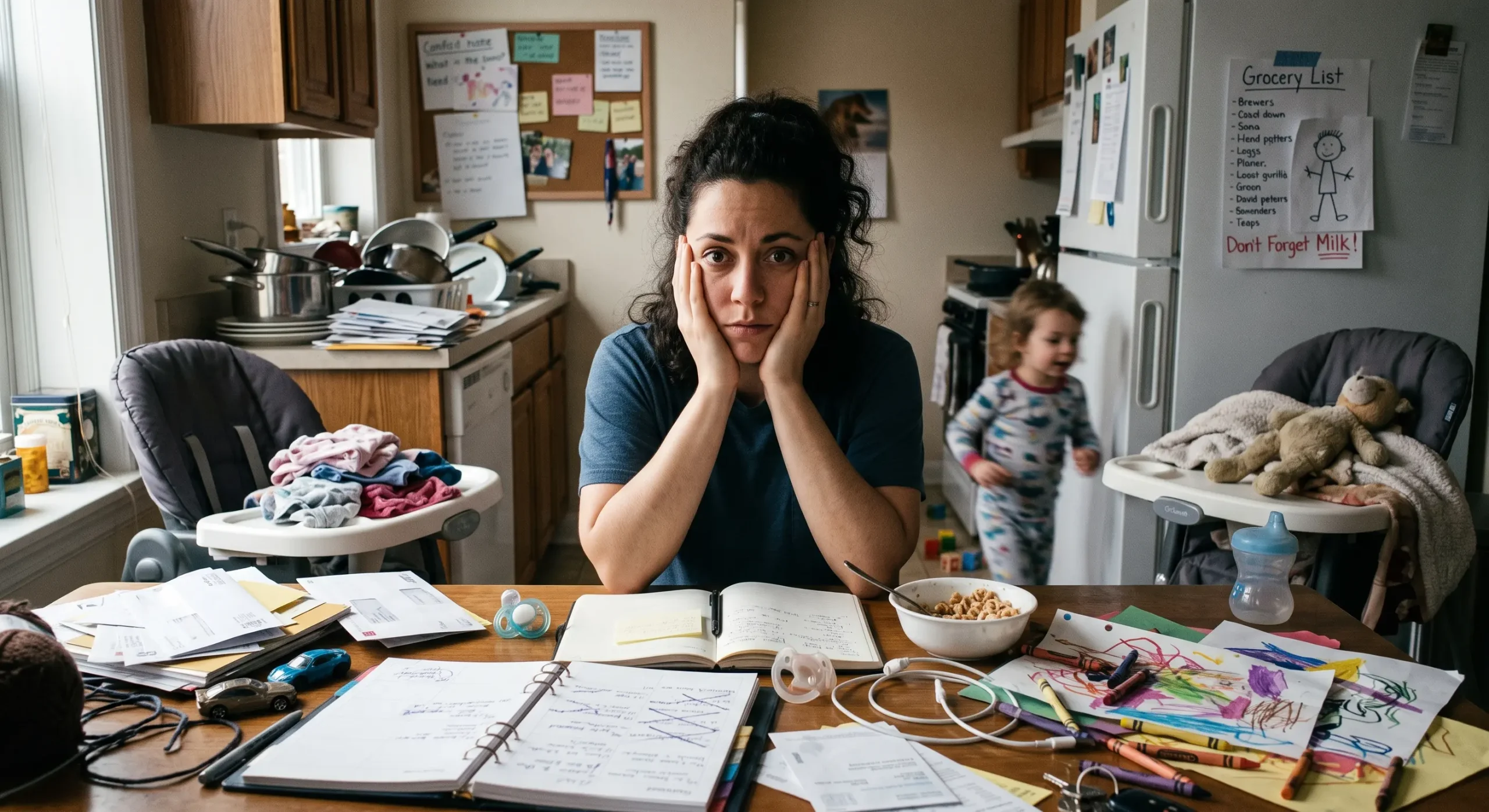
For years, ADHD was misunderstood as something that mainly affected hyperactive young boys. Because of that, many women grew up without answers, often believing they were lazy, disorganized, too emotional, or simply “bad at life.”
The truth is much different.
Women with ADHD often experience symptoms in ways that are subtle, internal, and easy for others to miss. What looks like forgetfulness, procrastination, or overwhelm on the outside is often the result of executive dysfunction, time blindness, emotional dysregulation, and constant mental overload.
If you’ve ever felt like your brain is working against the pace of everyday life, you are not alone. Below are eight real things women with ADHD experience every day—and why understanding them matters.
1. Rehearsing a Simple Text or Email for 20 Minutes
For many women with ADHD, even small communication tasks can feel mentally exhausting. A simple text message can become a loop of overthinking:
- rewriting the same sentence again and again
- worrying about tone
- wondering how the message will be received
- delaying the reply because it suddenly feels “too much”
This is not because you are dramatic or incapable. ADHD can make decision-making and task initiation harder, even for things that seem easy to everyone else.
2. Walking Into a Room and Forgetting Why You’re There
One of the most common ADHD experiences is forgetting what you were about to do the second you change environments.
You walk into the kitchen for something important, then stand there blankly, trying to remember why you came in. A few minutes later, the answer pops into your head—usually after you’ve sat back down.
This often relates to working memory challenges, which are common in ADHD. Your brain may struggle to hold onto information long enough to complete the next step.
3. Starting 5 Tasks and Finishing None
An ADHD brain often craves novelty and stimulation. That can lead to bursts of motivation that feel productive at first:
- start a load of laundry
- answer one email
- begin cleaning the counter
- sort the mail
- open a planner to organize the week
Then the momentum disappears.
By the end of the day, you may be left with multiple unfinished tasks and a growing sense of frustration. This pattern is often tied to executive dysfunction and inconsistent dopamine regulation, not a lack of effort.
4. Hyperfocusing on the “Wrong” Thing
ADHD is not always a lack of attention. Often, it is difficulty regulating attention.
That means many women with ADHD can become deeply absorbed in something interesting or rewarding—sometimes for hours. This is called hyperfocus.
The challenge is that hyperfocus doesn’t always show up for the thing you actually need to do. You may spend hours:
- researching a random topic
- reorganizing one small area of the house
- editing a photo
- planning a future project
- learning about a new hobby
Meanwhile, the urgent task stays untouched.
The ADHD Focus Paradox
Hyperfocus: Deep concentration on a stimulating task for hours
Executive dysfunction: Feeling frozen when trying to start a basic task like replying to an email or making a phone call
Both can happen in the same day, which is why ADHD can feel so confusing.
5. Feeling Behind All the Time
Many women with ADHD carry a constant feeling that they are behind, even when they are trying incredibly hard.
Because planning, organizing, remembering, and following through require so much extra mental energy, daily life can feel like a race you are always losing. This can create:
- chronic guilt
- self-criticism
- shame
- fear of disappointing others
- the belief that everyone else is handling life better
This emotional weight is one of the most painful and overlooked parts of ADHD in women.
6. Losing Track of Time Constantly
Time blindness is one of the most frustrating ADHD symptoms. Many women with ADHD experience time in two categories:
- now
- not now
That makes it difficult to estimate how long something will take, manage transitions, or notice time passing.
You may think you’ve been getting ready for 10 minutes, only to realize it has been 45. Or you may put off a task until “later,” only to find the whole day is gone.
Time blindness can affect work, parenting, relationships, appointments, and self-care—especially for moms juggling many responsibilities.
7. Getting Overwhelmed by Tiny Tasks
Sometimes the smallest tasks feel the heaviest.
Things like:
- opening an email
- making a phone call
- scheduling an appointment
- replying to a message
- filling out a form
can trigger disproportionate stress. This is often because the ADHD brain sees not just one task, but a chain of steps, decisions, and mental effort attached to it.
That overwhelm can lead to procrastination, avoidance, and anxiety. Then the unfinished task keeps taking up space in your mind all day.
8. Feeling Emotions in a Big Way
Emotional dysregulation is a very real part of ADHD, but it is often overlooked—especially in women.
Many women with ADHD feel emotions intensely. Frustration, rejection, embarrassment, anger, excitement, and sadness can all feel bigger, faster, and harder to regulate.
You may notice:
- feeling deeply hurt by small interactions
- becoming overwhelmed quickly
- struggling to calm down after stress
- feeling emotionally drained by everyday life
When this happens repeatedly, it can make motherhood, work, and relationships feel even more exhausting.
Why ADHD in Women Is So Often Missed
Many women learn to mask their ADHD symptoms. They may appear high-functioning on the outside while privately battling overwhelm, forgetfulness, emotional intensity, and burnout.
ADHD in women is often missed because symptoms may look like:
- anxiety
- chronic stress
- perfectionism
- people-pleasing
- disorganization
- emotional sensitivity
- “just being overwhelmed”
That is why awareness matters. When you understand what ADHD can actually look like in women, you can stop blaming yourself and start finding support that fits the way your brain works.
You Are Not Lazy—You May Need Different Support
If these experiences sound familiar, the most important thing to remember is this:
You are not lazy. You are not broken. You are not failing.
You may simply be navigating life with an ADHD brain in a world that was not built for it.
Understanding your patterns is the first step. The next step is learning tools, routines, and strategies that work with your brain instead of against it.
How ADHD Coaching for Moms Can Help
ADHD coaching can help women and mothers build practical systems for daily life, including support with:
- overwhelm and mental load
- routines and structure
- emotional regulation
- time management
- motherhood with ADHD
- reducing shame and self-criticism
- follow-through and accountability
If you’re looking for compassionate support, Melissa Nokes Life Coach offers coaching for moms navigating ADHD, overwhelm, and emotional burnout.
Explore Related Services
When to Reach Out for Support
You do not have to wait until you are completely overwhelmed to ask for help.
Support may be helpful if you:
- constantly feel behind
- struggle to manage motherhood with ADHD
- feel emotionally overloaded most days
- have trouble following through on tasks
- feel exhausted from masking and compensating
Coaching can offer practical, personalized support to help you create more calm, clarity, and confidence in daily life.
Work With Melissa Nokes Life Coach
Melissa Nokes Life Coach supports women and mothers who are navigating ADHD, anxiety, overwhelm, postpartum challenges, and the emotional load of motherhood.
Melissa Nokes Life Coach
7600 143rd St W Ste 300
Apple Valley, MN 55124
Phone: (612) 499-0692
Email: melissanokeslifecoach@gmail.com
Website: https://melissanokeslifecoach.com/
Google Map: View Location
For local and virtual support, visit:
- Apple Valley ADHD & Motherhood Coaching
- Twin Cities Coaching
- Minnesota State Coaching
- USA Virtual Coaching
Conclusion
Living with ADHD as a woman can mean carrying many invisible struggles every day. From time blindness and unfinished tasks to emotional overwhelm and constant guilt, these experiences are real—and they are more common than many women realize.
The good news is that understanding your brain changes everything. Once you stop viewing these patterns as personal flaws, you can begin creating a life with more support, self-compassion, and realistic strategies.
You do not have to figure it all out alone.
FAQ Section for SEO
Is ADHD different in women?
Yes. ADHD in women often presents differently than the stereotype many people know. Instead of obvious hyperactivity, women may experience internal restlessness, overwhelm, emotional dysregulation, forgetfulness, and difficulty managing routines.
Why do women with ADHD feel overwhelmed so easily?
Women with ADHD often deal with executive dysfunction, time blindness, sensory overload, and emotional intensity. These can make daily responsibilities feel much heavier, especially when combined with work, parenting, and household demands.
Can ADHD make it hard to complete simple tasks?
Yes. Even small tasks can feel overwhelming because ADHD affects task initiation, planning, working memory, and follow-through.
What is time blindness in ADHD?
Time blindness is difficulty sensing and managing time accurately. It can lead to lateness, procrastination, underestimating how long tasks take, and feeling like time disappears.
Can ADHD coaching help moms?
Yes. ADHD coaching can help moms create routines, manage overwhelm, build practical systems, and reduce guilt while learning strategies that fit the way their brain works.